








What To Do When Your Car Overheats
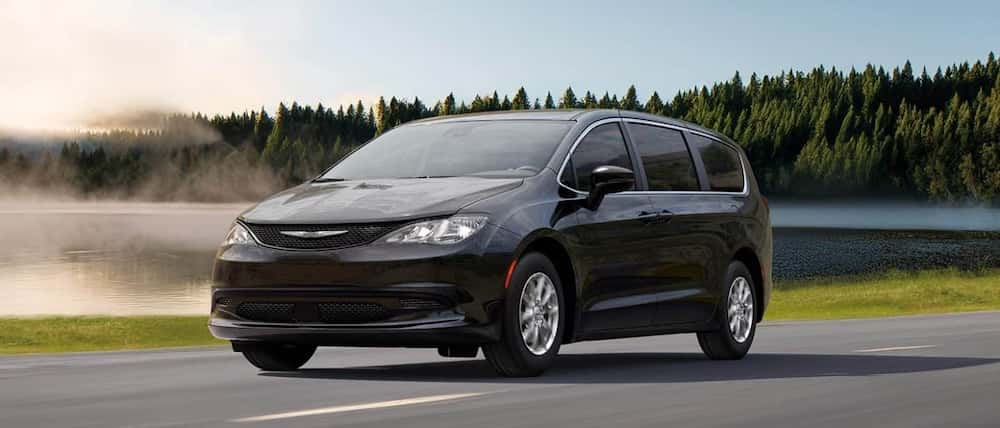
Photo Source/Copyright: CHRYSLER
What to Do When Your Temperature Gauge Spikes
Sitting bumper-to-bumper on the highway or crawling through a backup in the tunnels is the worst place to watch your temperature needle creep toward the red. Summer humidity is tough enough on cooling systems, but when coolant boils over or steam creeps out from the hood, continuing to drive even a mile or two is a massive risk.
Dumping a bottle of tap water into the reservoir might limp you to the next exit, but it is not a permanent car overheating fix. Ignoring the underlying problem usually turns an inexpensive hose or thermostat replacement into warped cylinder heads and a four-figure repair bill.
Getting Off the Road Safely
Before popping the hood or calling a flatbed, keep a few immediate priorities in mind:
- Kill the A/C and crank the cabin heater: It will make the cabin uncomfortable, but opening up the heater core pulls a surprising amount of thermal energy directly away from the engine block.
- Leave the radiator cap alone: Modern cooling systems operate under substantial pressure. Twisting off a cap on a hot engine will spray scalding coolant and steam. Give the bay at least 20 to 30 minutes to drop in temperature before inspecting fluid levels.
- Check the pavement underneath: Sweet-smelling fluid pooling near the front subframe usually points to a split upper hose, a failed water pump bearing, or a cracked plastic radiator tank.
What Is Actually Causing the Problem?
Cooling issues rarely happen without warning signs. On modern Chrysler, Dodge, Jeep, Ram, and Fiat platforms, overheating usually comes down to one of a handful of common failure points:
| Symptom Observed | Probable Mechanical Fault | Urgency Level |
|---|---|---|
| Overheating only while stopped at red lights or in gridlock | Faulty electric cooling fan motor or blown fan relay | Moderate (highway airflow temporarily masks it) |
| Gauge spikes within 5–10 minutes of a cold start | Thermostat stuck shut | Critical (coolant is physically blocked from the radiator) |
| Sweet scent inside the cabin with filmy front glass | Leaking heater core | Moderate to High |
| Coolant pooling underneath the front center of the block | Failing water pump weep hole or cracked housing | Critical (fast loss of total system pressure) |
Professional Diagnostics vs. Guesswork
If your Ram 1500, Dodge Durango, or Jeep Grand Cherokee starts running hotter than normal, throwing random parts at the engine bay gets expensive quickly.
Securing a proper car overheating fix requires systematically pressure-testing the system, checking coolant flow rates, and inspecting fan relays. The factory-trained technicians at Southern Dodge Chrysler Jeep Ram Fiat Norfolk have the dedicated Mopar diagnostic equipment to pinpoint whether you are dealing with a simple electrical sensor fault, an air pocket in the cooling lines, or a failing mechanical pump.
If your temperature warning light comes on or your coolant reservoir keeps dropping, schedule a diagnostic visit with our Norfolk service center before high heat causes irreversible engine damage.
More From Southern Dodge Chrysler Jeep Ram FIAT Norfolk
Explore The Jeep Wrangler 85th Anniversary Edition
Photo Credit: Jeep 85 Years in the Making: A Special Edition Wrangler Arrives Jeep has been building 4x4s for eight and a half decades, and they are marking the occasion with something genuinely unique. As part of their yearlong “Twelve 4 Twelve” special edition series, the Jeep Wrangler 85th anniversary model brings back…
New Electric Muscle Car Packs Heavy Power
Photo Source/Copyright: DODGE Electric Muscle Has Arrived: What to Expect from the New Dodge Charger Daytona For a long time, muscle car fans worried that electric powertrains would ruin everything we love about Dodge—the noise, the aggressive stance, and the instant thrill of stepping on the gas. But with the rollout of the Charger…
Comparing Features Between Jeep Wrangler Sport Trims
Photo Credit: Jeep Jeep Wrangler Sport vs. Sport S Comparison Picking between the base Wrangler Sport and the upgraded Sport S really comes down to how much convenience you want mixed in with your off-road capability. Both trims share the same body-on-frame platform, heavy-duty solid Dana axles, and Command-Trac 4×4 system. Where they…