








Jeep Cherokee vs Grand Cherokee Comparison Guide
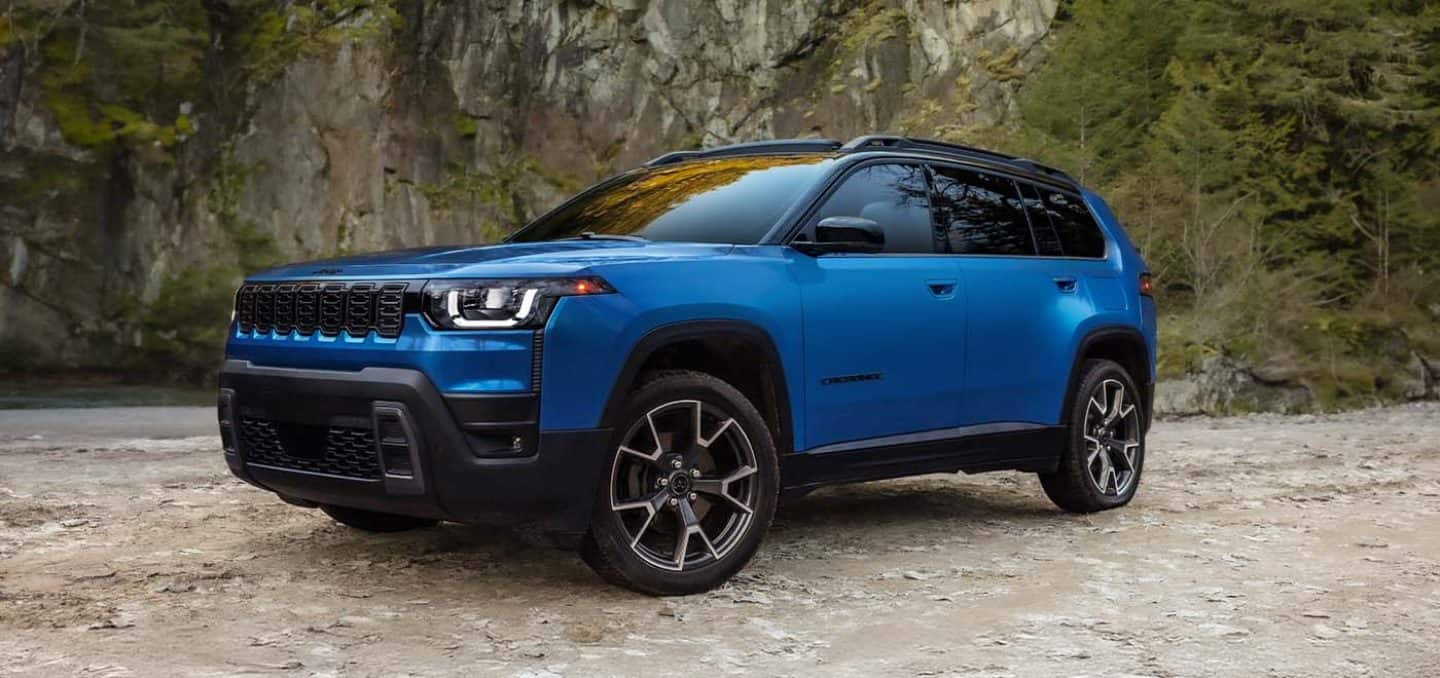
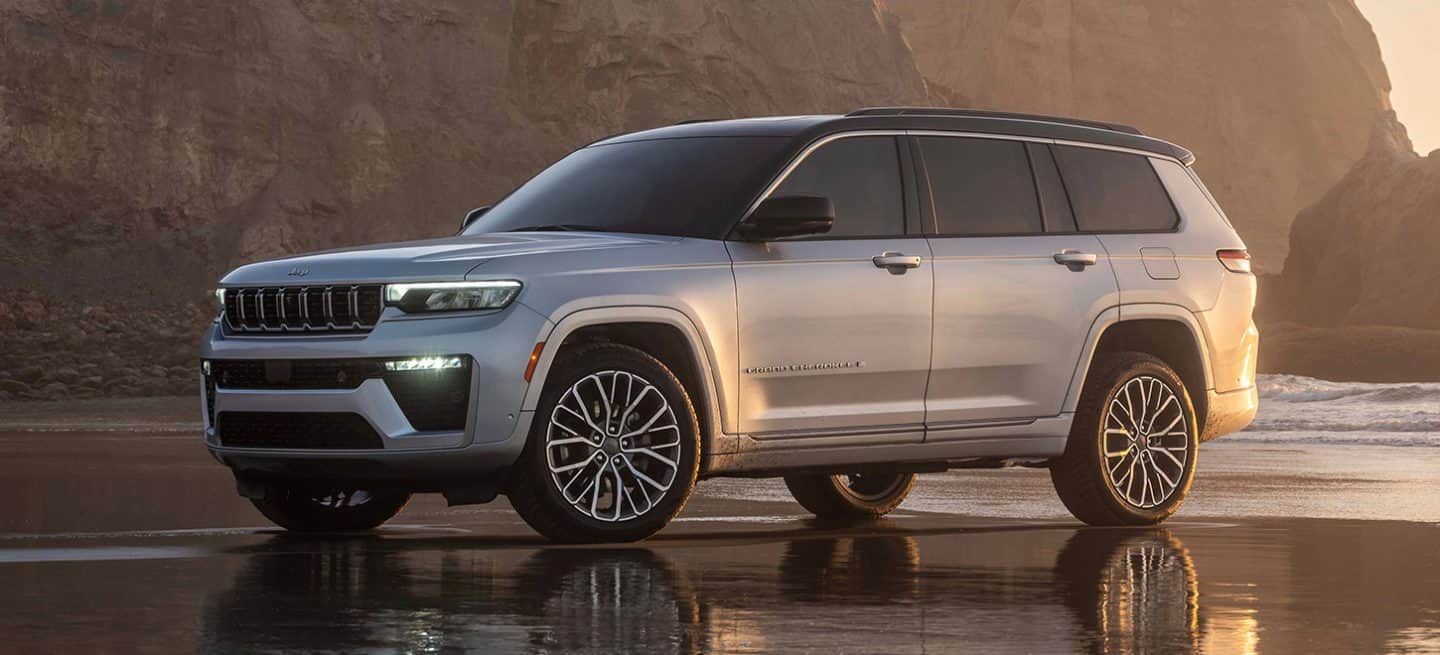
Photo Credit: Jeep
When looking for a versatile and capable SUV, two of the most iconic names that come to mind are the Jeep Cherokee and the Jeep Grand Cherokee. Both nameplates carry a legendary reputation for blending everyday utility with rugged adventure. Whether you are seeking a nimble daily commuter or a premium family vehicle, understanding what to expect from these two models will help you decide which one fits your lifestyle. While they share a similar name and iconic Jeep styling, they differ significantly in size, performance, and price point.
Size and Spatial Differences
The most immediate distinction between the Jeep Cherokee vs Grand Cherokee is their footprint and interior space. The standard Cherokee is a compact crossover designed for agile urban driving, making it easy to maneuver through tight city streets and park in compact spaces. It offers a cozy, functional two-row cabin that comfortably seats up to five passengers with adequate room for daily cargo.
On the other hand, the Grand Cherokee steps up into the midsize category, offering a considerably wider, longer, and more imposing stance. Inside, passengers are treated to a vastly more spacious cabin with premium legroom and a massive cargo hold. For those who need even more space, the Grand Cherokee is also available in an extended “L” variant, which adds a third row of seating to accommodate up to seven passengers.
Engine Options and Performance
Under the hood, both SUVs deliver the brand’s signature capability but are tuned for different performance needs. The compact Cherokee prioritizes balanced efficiency and punchy acceleration, making it ideal for daily highway commutes and light trail riding. Conversely, the heavy-duty Grand Cherokee is built to handle tougher tasks and features robust powertrain options tailored for heavy towing and premium power delivery. To maximize your hauling utility, make sure your vehicle is equipped with the proper factory trailer tow package to hit peak capacities.
- Jeep Cherokee Engine Options: Typically features an agile Turbocharged variant or an efficient standard inline-4 engine delivering up to 270 horsepower, balanced perfectly for fuel efficiency and everyday utility.
- Maximum Towing: Up to 3,500 pounds when properly equipped.
- Jeep Grand Cherokee Engine Options: Offers a robust standard 3.6L Pentastar V6 pushing 293 horsepower. Depending on the model year, it can also be equipped with an advanced 2.0L Hurricane Turbocharged engine or a potent Plug-in Hybrid (4xe) powertrain pushing up to 375 horsepower and 470 lb-ft of torque.
- Maximum Towing: Up to 6,200 pounds (or up to 7,200 pounds on select older pre-owned models equipped with the V8 engine) when properly equipped.
Pricing Structure
When it comes to your budget, the financial investment reflects the tier difference between these two vehicles. The Jeep Cherokee serves as the more wallet-friendly entry point, with starting MSRPs typically ranging from the mid-to-high $30,000s depending on the trim level, making it an excellent value for drivers wanting a capable crossover without a premium price tag. The Jeep Grand Cherokee commands a higher starting price, usually beginning around $38,000 to $40,000 for base models and climbing well past $60,000 for luxury-oriented, tech-heavy trims like the Summit. This higher cost directly translates to the Grand Cherokee’s advanced standard safety features, upscale interior materials, and superior mechanical capability.
Find Your Next SUV
No matter which legendary model aligns with your driving needs, you can find the perfect Jeep Cherokee vs Grand Cherokee at Southern Dodge Chrysler Jeep Ram Fiat Norfolk. Visit us today to take a test drive and experience the unique capability of a Jeep firsthand!
More from Southern Dodge Chrysler Jeep Ram FIAT Norfolk
New Electric Muscle Car Packs Heavy Power
Photo Source/Copyright: DODGE Electric Muscle Has Arrived: What to Expect from the New Dodge Charger Daytona For a long time, muscle car fans worried that electric powertrains would ruin everything we love about Dodge—the noise, the aggressive stance, and the instant thrill of stepping on the gas. But with the rollout of the Charger…
Comparing Features Between Jeep Wrangler Sport Trims
Photo Credit: Jeep Jeep Wrangler Sport vs. Sport S Comparison Picking between the base Wrangler Sport and the upgraded Sport S really comes down to how much convenience you want mixed in with your off-road capability. Both trims share the same body-on-frame platform, heavy-duty solid Dana axles, and Command-Trac 4×4 system. Where they…
What Type of Gas Do Jeep Wranglers Take?
If you have recently purchased or are thinking about purchasing a 2026 Jeep® Wrangler, you may have found yourself standing at the gas pump wondering which button to press. Regular? Mid-grade? Premium? So, what type of gas do Jeep Wranglers take? For the 2026 Jeep Wrangler, the simple answer is high-quality 87-octane regular unleaded…